
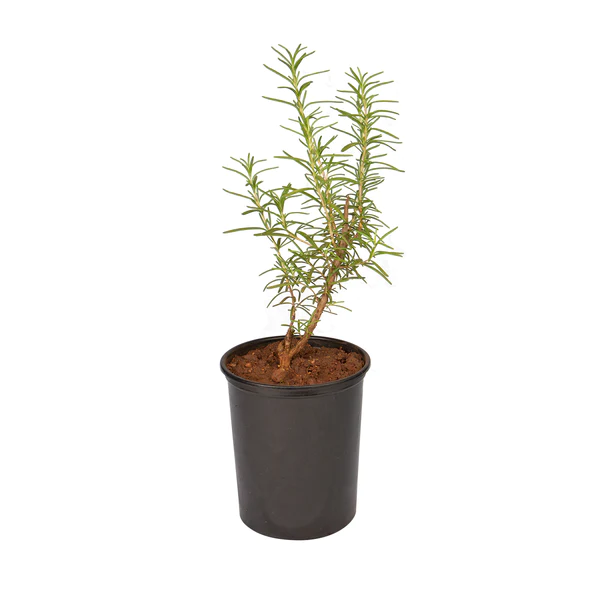
🌿 Rosemary
Also known as: Gulmehandi • Rosmarinus officinalis • Memory Herb • Kitchen Rosemary
🪴 Plant Snapshot
| Attribute | Details |
|---|---|
| Type | Herb • Shrub • Culinary & Medicinal |
| Category | Edible Herbs • Kitchen Garden • Balcony Plant |
| Light | Full sunlight ☀️ (at least 6–8 hours daily) |
| Watering | Low – water when soil feels dry |
| Soil | Well-draining, sandy or loamy soil |
| Growth Habit | Upright woody shrub; can reach 2–3 ft in pots |
| Placement | Balconies • Kitchen windows • Herb planters |
| Fragrance | ✅ Strongly aromatic (leaves release signature scent when touched) |
| Toxicity | ✅ Non-toxic to humans and pets (in moderation) |
🌿 Uses & Benefits
🍽️ Popular kitchen herb – adds aroma to pasta, potatoes, grilled veggies
🧠 Traditional memory booster and stress reliever
🦟 Natural insect repellent (mosquitoes dislike rosemary aroma)
🪴 Excellent companion plant in herb gardens
🌱 How to Use
-
Harvest fresh leaves by snipping sprigs
-
Can be used fresh or dried for cooking
-
Add to oil infusions, teas, or potpourri for fragrance
🧩 Why Customers Love It
✅ Hardy and drought-tolerant once established
✅ Fragrant addition to herb pots and kitchen gardens
✅ Versatile – culinary, decorative, medicinal
✅ Attracts bees, repels mosquitoes
🪴 Care Tips
-
Avoid overwatering – rosemary dislikes soggy roots
-
Prune regularly to maintain shape and promote branching
-
Can be brought indoors during monsoons if overwatered easily outdoors
💡 Fun Tip
Grow rosemary in a terracotta pot with thyme and oregano for a Mediterranean herb trio. Use a chalkboard marker to label the pot for a rustic kitchen garden look! 🌿🪴


Reviews
There are no reviews yet.